
Variety, Error, Die State or Damage?
Learn how to distinguish Canadian coin varieties, die states, mint errors, planchet defects and post-mint damage using repeatability, metal flow, die evidence and diagnostic context.
The Four Questions That Organize the Entire Subject
When a collector finds an unusual line, lump, missing area, doubled letter or rough patch, the first temptation is to name it. That is usually backwards. The better approach is to determine where in the manufacturing life of the coin the feature originated. A stable design or die-making difference can define a variety. A progressive change in a working die is a die state. An abnormality in the blank or planchet belongs to the planchet-error family, while an abnormal event during striking is a striking error. Changes imposed on an already struck coin are damage. Numismatic references do not use these category labels with perfect uniformity, so CoinData uses them here as a practical diagnostic framework.
Variety
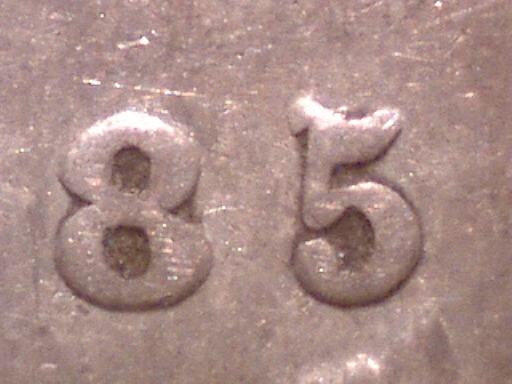
A variety is a stable, attributable difference associated with a design, hub, punch, die or intentional modification. Repeatability is powerful evidence of die origin, but repeatability alone does not establish variety status: die cracks, chips and other die-state markers can also recur on multiple coins from the same die. Repunched dates, doubled dies, re-engraved or retouched elements and recognized obverse or reverse differences are classic die-variety examples when the defining feature originates in die manufacture or deliberate die modification.
Die State
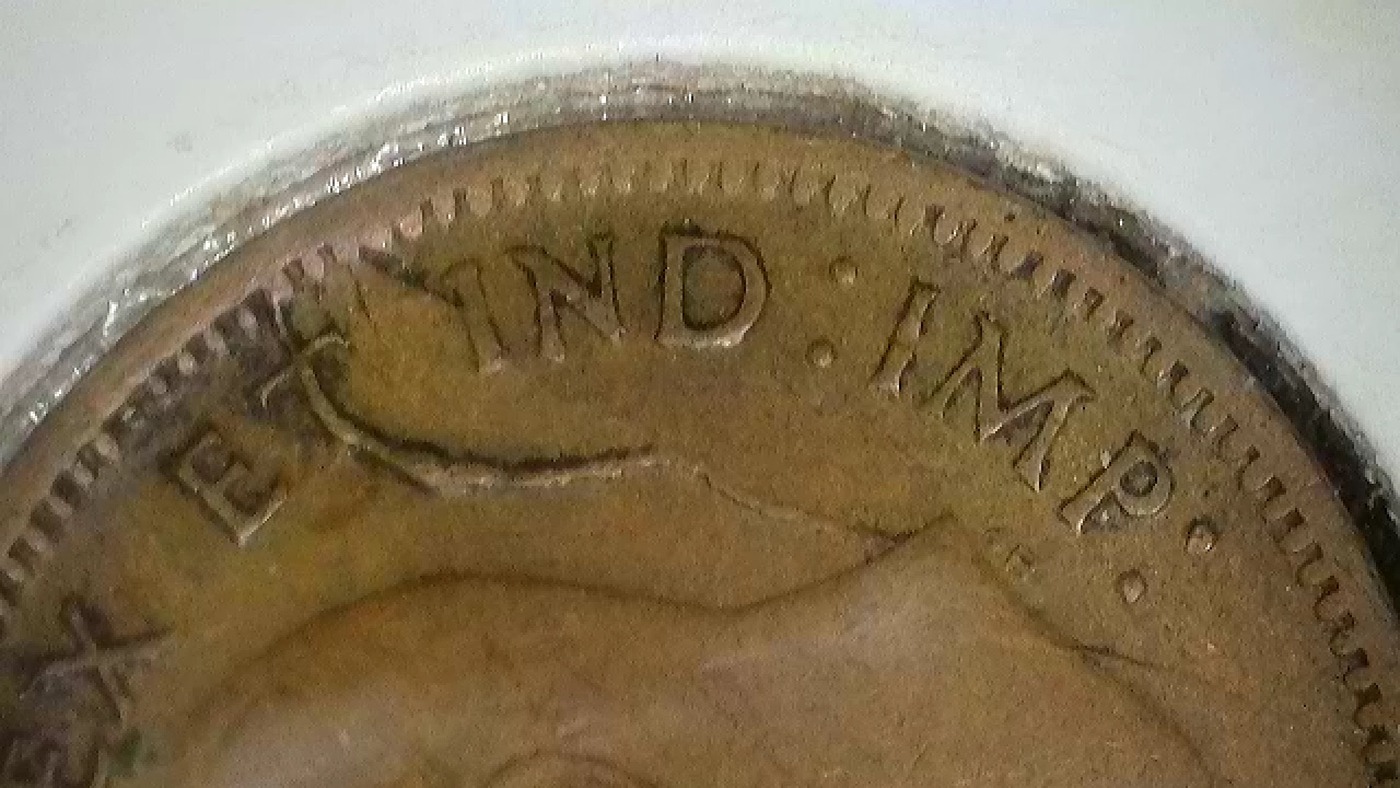
A working die changes during use. It can be polished or abraded, develop flow-line wear, crack, chip, deform or ultimately break. Coins struck early and late from the same die can therefore look different even though they were struck by the same die pair. Die states are especially important when studying cracks, chips, retained breaks, cuds, die-deterioration doubling and Mortar Set. A late die state can be dramatic and collectible without constituting a new die variety in the same sense as a doubled die, repunched element or other die-making difference.
Mint Error and Planchet Defect
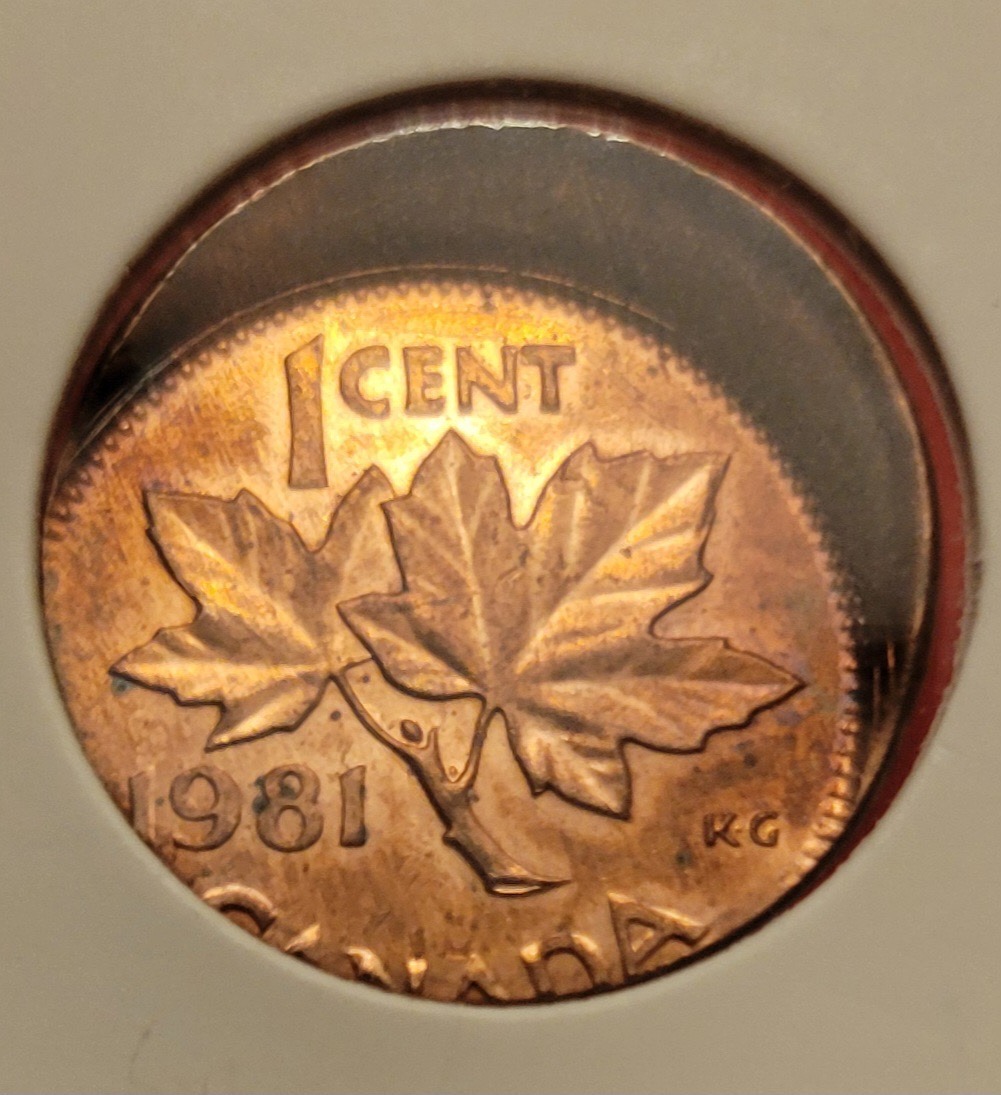
In broad numismatic usage, planchet errors, die errors and striking errors may all be grouped under the umbrella term “mint error.” For diagnosis, CoinData separates them by stage. An incomplete blank may be created during blanking; a planchet can carry alloy, bonding, plating or thickness abnormalities into the press; and the planchet can then be fed off-centre, struck out of collar, struck more than once or struck through foreign material. Unlike a die-origin feature, a one-off planchet or striking error normally does not repeat with exactly the same geometry on successive coins.
Damage
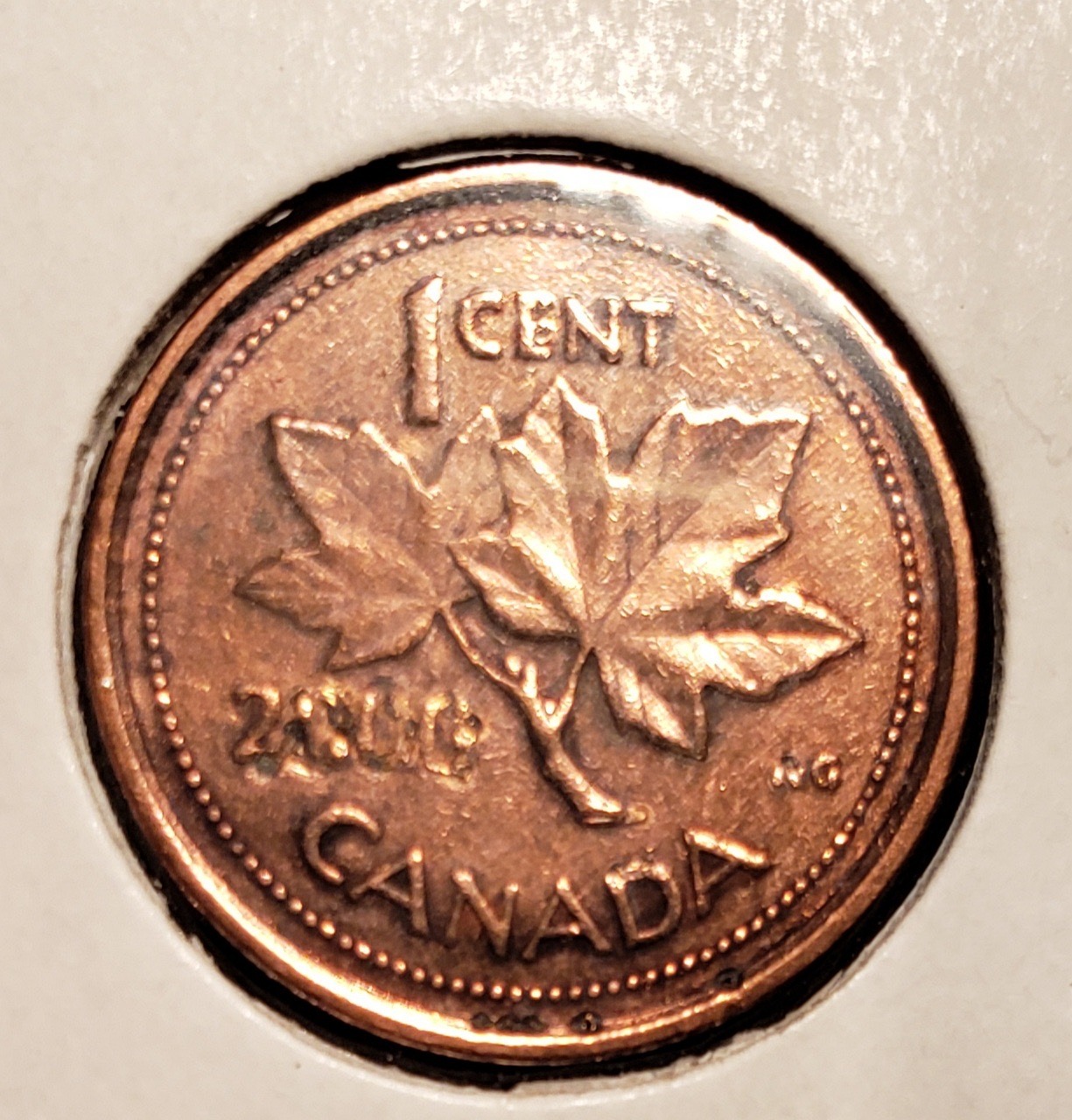
Damage to an already struck coin includes scratches, gouges, impacts, filing, drilling, chemical attack, heat, corrosion, bending, edge compression, counting or wrapping-machine damage and deliberate alterations. Some mint-made phenomena, such as machine or ejection doubling, can also alter a coin during the striking/ejection cycle without being a doubled-die variety. Damage can be deceptive because metal may be displaced, flattened, torn or removed. If ordinary post-strike forces could plausibly create the feature, positive evidence is needed before attributing it to a planchet, die or striking error.
A CoinData Diagnostic Rule
Do not classify an unusual coin from a single visual clue. Combine evidence. Ask whether the feature is raised or incuse, whether it repeats on other coins, whether the rim or collar is involved, whether normal design remains beneath or across the feature, whether metal flowed into an abnormal void during striking, and whether ordinary handling could reproduce the same result. The strongest attribution explains both what is present and what should be present but is missing.
How This Series Is Organized
The next chapter follows a coin from metal strip to finished strike. After that, the series separates die varieties from die states, then examines severe deterioration, cracks, chips and cuds, planchet flaws, striking errors, post-mint damage and, finally, a full diagnostic workflow. Read in order for the complete story or jump directly to the phenomenon you are trying to identify.
This educational series draws upon technical publications from the Royal Canadian Mint and U.S. Mint, supplemented by various numismatic references, published research and publicly available resources. Terminology and classification methods may differ among sources. CoinData evaluates these distinctions using observable physical evidence and established minting principles. Photographs illustrate actual coin characteristics; precise die attribution remains provisional unless independently verified.